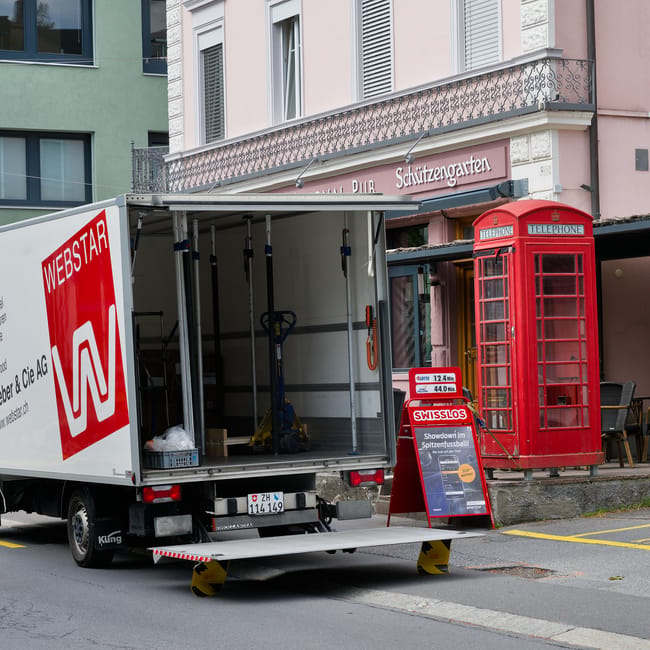
Mayfair man with van in Mayfair

Mayfair man with van services in Mayfair are a practical way to move furniture, boxed belongings and lighter household or office items through central London without booking a full removal lorry. The service suits collections, partial moves, single-item transport and short-notice relocations where careful loading, route planning and secure stowage matter more than scale. Our work centres on straightforward transport support, sensible handling and a clear process from the first enquiry through to delivery.
For many customers, the main value is flexibility. A man and van arrangement can be organised around one item, a handful of rooms or several stops, while still allowing enough attention for staircases, lift access and awkward parking. We also support customers who need help moving items between storage, property, auction, retail or business locations. If you are comparing options, keep the job brief in mind: the right vehicle and loading approach matter as much as the distance travelled.
Request a quotation after you have reviewed the service details below, or keep reading to see how different moving tasks can be managed in a simple, organised way.
Everyday moving support for homes and smaller loads

Households often use this service when they do not need a large team but still want professional transport for valuable or bulky items. That can include a sofa, bed base, wardrobe, boxes from a flat, or the contents of a room that are being moved in stages. Our focus is on making the load fit properly, protecting items during transit and avoiding rushed decisions at the door. In practical terms, this means using the van space well and keeping the move orderly rather than treating it as a quick lift-and-go job.
Some moves are best handled as a single run; others benefit from a scheduled collection and drop-off sequence. If access is narrow, parking is limited or the property has shared entrances, planning the order of loading and unloading becomes especially important. A well-managed man with van job in Mayfair can suit apartments, pied-à-terre arrangements and storage transfers where the customer wants a manageable transport option without unnecessary overheads. Use clear item lists and the main access details so the move can be planned accurately.
House removals, flat moves and careful furniture handling

Where the move involves more than one or two objects, we can manage the practical steps that keep furniture safe and the schedule sensible. This includes loading heavier pieces first, spacing fragile items so they are less likely to shift and arranging items in the van so unloading order is logical. When beds, tables, cabinets or mirrored furniture are involved, the most useful decisions are usually about preparation, dismantling and the sequence of access at each end of the move.
Furniture handling is often the point where a compact moving job either works smoothly or becomes awkward. Door widths, stair turns and lift capacity may shape what can be carried in one piece and what should be separated before loading. Our service is suited to customers who need practical transport rather than a full packing-and-household relocation package. If you are unsure how much will fit in one journey, it is better to describe the main pieces honestly and plan around the largest items first.
A useful way to prepare is to sort items into what travels, what stays, and what needs wrapping or dismantling before loading. Then a quotation can reflect the actual work, not just the address-to-address distance. For a clearer overview of the moving options, you can also view home move support if your job involves several rooms or a complete household transfer.
Office relocation and business transport between sites
Businesses use man with van transport when they need desks, chairs, boxed files, stock, display pieces or small equipment shifted between offices, storage and client locations. This type of move is usually about coordination: what is being moved, whether it needs protecting, and whether the drop-off point has loading restrictions. We can support smaller office relocations where a compact vehicle and a tidy loading plan are more suitable than a larger removal operation.
Commercial jobs often work best when the contents are grouped by destination or function before collection. That might mean separating archive boxes from IT items, or placing fragile presentation materials apart from heavier storage items. If your business needs a broader relocation plan, our office relocation services page explains the kind of work that can be organised around desks, storage, stock and equipment. For customers with multiple destinations, route order and unloading sequence are just as important as the van size itself.
When you are arranging a business move, it helps to think in terms of operational continuity rather than simply transport. Items that must be available first can be loaded last, and items that are least time-sensitive can travel earlier in the van. That approach keeps the day more predictable and can reduce the chance of delays when access points are busy or shared with other buildings.
Packing, wrapping and preparing items for transit
Packing support can make a compact move much easier, especially when there are loose household items, fragile possessions or mixed contents that need to stay grouped by room or purpose. Careful packing is not about overdoing materials; it is about using the right protection for the job. Strong boxes, padding for breakables and sensible labelling can save time at both ends of the move and reduce handling stress when the van is loaded.
If you want help organising a job before the vehicle arrives, our packing and unpacking services page covers the sort of support that can be arranged around fragile items, boxed contents and practical set-up at the destination. For some customers, only a little preparation is needed; for others, the move is easier if items are grouped into clear categories before collection. That preparation can also help when furniture and smaller belongings travel together.
Useful preparation points are straightforward: keep loose screws with dismantled furniture, empty heavy drawers where sensible, secure lids or doors that may open in transit and separate anything that must travel upright. If you are unsure what needs wrapping, mention the most delicate items in your enquiry rather than assuming all loads need the same treatment. The aim is to match preparation to the actual contents, not to add unnecessary work.
Single-item collections, furniture pick-up and appliance transport

Not every job is a full move. Sometimes the need is simply to collect one large item, take a pair of chairs to a new location or move a cooker, fridge or similar appliance with care. These jobs are well suited to a man with van because the transport can be tailored to the exact item rather than to a full house load. The main questions are usually access, weight, size and whether the item needs securing so it remains stable in transit.
Our furniture pick-up service is a sensible option when an item needs collecting from a seller, storage unit or private property and delivered elsewhere on the same or a different route. If the item is bulky, uneven or awkward to lift, the loading method matters as much as the vehicle. For white goods and other domestic appliances, careful positioning helps reduce movement and supports safer unloading at the destination.
Where items are large but the job itself is small, it is often useful to think about dimensions rather than labels. A sofa, mattress or fridge may each call for different handling because of shape, surface and balance. If you want the transport to be arranged efficiently, provide the approximate size of the item, note any stairs or narrow access and make sure the collection point is ready when the vehicle arrives.
Disposal transport for unwanted household items
Some customers use a van service when they need a few bulky items removed from a property and taken to the appropriate disposal or recycling route. That can include an unwanted mattress, worn sofa, broken appliance or mixed household items that no longer need to be kept. The most useful part of the service is often the transport itself: loading the item correctly, separating what can be handled together and sending it onwards with minimal fuss.
If you are dealing with a larger item that should not simply be left out with general rubbish, our mattress and sofa disposal page explains a focused removal option for those heavier household pieces. We also have a fridge and appliance removal page for domestic machines that need a careful collection plan. These pages can help you choose the right type of transport before you request a quotation.
For mixed disposals, it is usually best to separate reusable items, recyclable materials and anything that requires special handling before the van is booked. That does not mean every job needs a long checklist; rather, it means that the collection is easier to organise when the main categories are known in advance. The clearer the item list, the easier it is to match the load to the right vehicle and collection approach.
Where a compact van move works best
A compact moving service is often chosen because it suits jobs that are too involved for a car and too modest for a full removals team. That includes short-distance moves, small office transfers, furniture deliveries, item collections and transport between a property and storage. The right choice depends on access, the volume of items and how carefully each piece needs to be handled. A good van move is less about scale and more about fit: the vehicle, the route and the loading order should match the job.
Supported job types commonly include:
- small home moves and room contents
- furniture collections and deliveries
- business equipment transfers
- appliance transport
- storage runs and split deliveries
If your load falls into more than one category, it is usually fine to combine it in a single enquiry. The more helpful detail is not whether a job sounds large or small, but whether there are fragile pieces, awkward access points or a strict timing window. Those practical points help shape the quote and reduce the need for changes later.
About Mayfair
Mayfair is an area in the West End of London, lying between Oxford Street, Park Lane, Piccadilly and Regent Street, with Green Park and Hyde Park close by. Its street pattern reflects long layers of development, from 18th-century Georgian terraces to later commercial and hotel uses, and much of the district is known for elegant masonry façades, private squares and carefully maintained streetscapes. Grosvenor Square, once associated with grand town houses and diplomatic buildings, remains one of the best-known open spaces in the area, while Berkeley Square and Hanover Square are also part of its historic character. The district sits within the wider City of Westminster and has long been linked with high-value residential streets, offices, galleries, restaurants and hotels. Its central position means it connects easily with neighbouring parts of the West End, yet many of its streets retain a quieter, more enclosed feel than the busier shopping corridors nearby. The area’s architecture includes a mix of listed and closely regulated buildings, which helps preserve the scale and proportions that define many of its streets. Cultural life is not confined to one venue or style: theatres, members’ clubs, galleries and luxury retail all sit within walking distance, alongside green space at the edge of the district. As a result, Mayfair combines historic prestige with everyday city movement, and its layout remains one of the most recognisable parts of central London.
How to plan the move and keep the day straightforward

Good planning starts with a realistic description of what needs moving. A quotation is easier to shape when you know which items are heavy, which can be dismantled, and whether the collection or delivery point has stairs, lifts or limited parking. If there are several stops, list them in order. If there are fragile items, say so plainly. That way the transport can be matched to the actual job rather than estimated from a vague description.
It is also sensible to think about timing, building access and any rules that apply at either end of the move. Some jobs work best when items are ready near the entrance; others need extra care because they must pass through shared hallways or controlled entry points. A clear arrangement helps keep the loading process calm and avoids unnecessary backtracking. If you want to compare service options first, commercial moves may be useful for business-related transport needs.
When you are ready, you can make a brief note of the items, access details and destination, then ask for a quotation. For many customers, a straightforward van booking is enough; for others, it is worth checking related pages such as moving truck or removal truck hire if the job involves a larger load than a compact moving arrangement. Either way, the next step is simple: request a quotation.